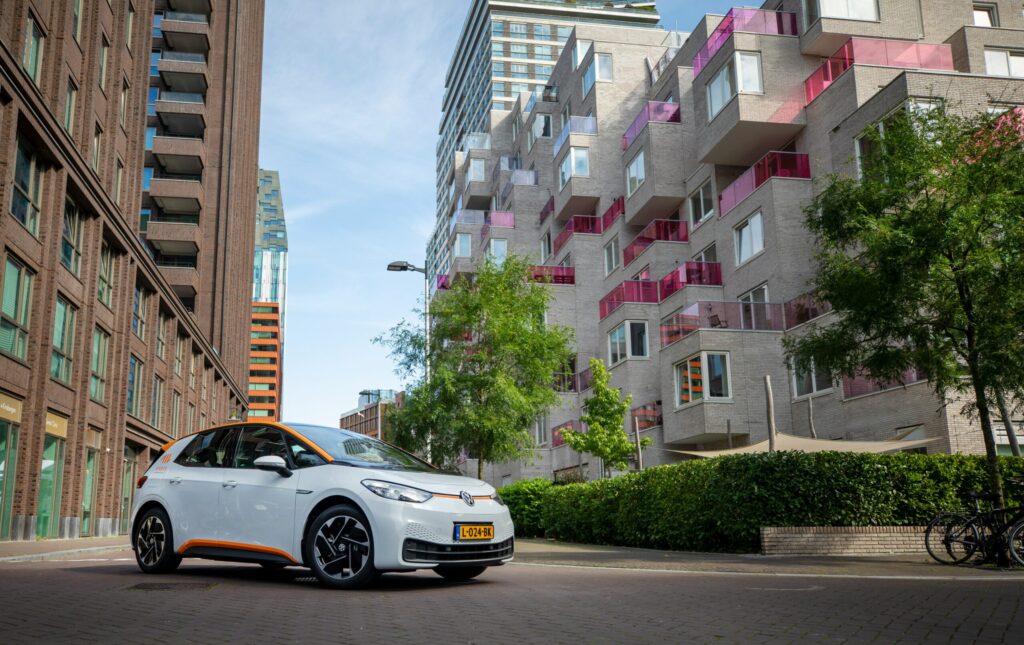
Volkswagen Group is considering implementing vehicle software and electronic architecture developed by its Chinese division across future European electric models, according to a report from Manager Magazin. The proposed shift, spearheaded by core brand chief Thomas Schäfer, could reduce development expenditures by an estimated €4 billion to €5 billion ($4.5 billion to $5.5 billion) while potentially replacing technology originally planned with American partner Rivian.
The plan targets high-volume electric vehicles larger than the ID. Polo across the VW, Skoda, and Cupra marques, including the upcoming ID. Golf, an electric Tiguan successor, and a potential electric counterpart to the Passat. Substantial cost disparities are driving the proposal: development work at the Volkswagen Group China Technology Company in Hefei reportedly costs roughly one-fourth the hourly rate of the Rivian and Volkswagen Group Technologies joint venture in Palo Alto, California. Sources familiar with the plan noted that developing a model such as the electric Tiguan in China could cut approximately €8,000 ($9,000) in development costs per vehicle.
Known as the China Electrical Architecture (CEA), the system was developed by VW’s Chinese operations alongside software unit Cariad, building upon a partnership with Chinese automaker Xpeng that started in 2023. Volkswagen owns the intellectual property rights to the zonal setup, which is already operating in production models and features over-the-air update capabilities. In comparison, the mid-2024 partnership formed with Rivian has not yet fielded a production vehicle, with its debut expected in an entry-level EV based on the ID. Every1 concept scheduled for 2027.
Although the company’s board has reportedly responded positively to Schäfer’s proposal, the move remains a strategic plan rather than a final corporate decision, with regulatory, timing, and expense hurdles still under review. Under the prospective restructuring, the Chinese architecture would power mainstream volume models, while Rivian software could stay focused on other segments or sister brands Audi and Porsche. Separately, the report notes that Volkswagen Group has ceased development on all-new internal combustion engine platforms, choosing instead to update existing underpinnings.
Source: motor1.com