The United States should abandon its single standard passenger vehicle credential in favor of a tiered driver’s licensing system for high-performance, heavy, and specialized vehicles, according to a proposal published by Jalopnik.
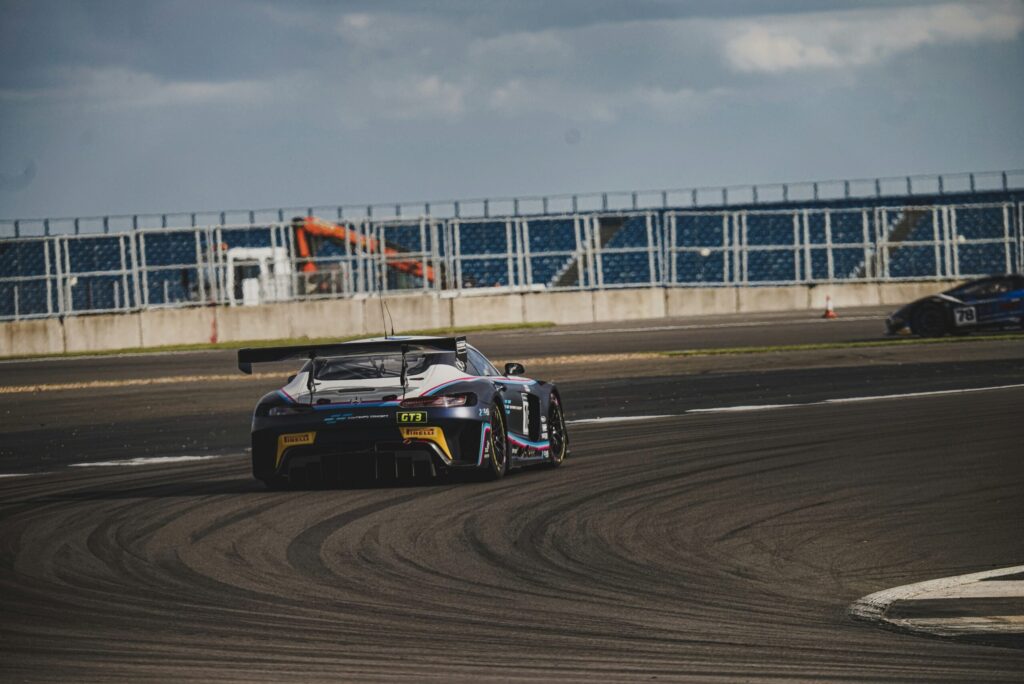
The framework argues that standard testing fails to prepare motorists for the handling and safety demands of modern vehicles with extreme capabilities. Suggested additions include secondary licenses for motorcycles exceeding 500cc, an intermediate credential below a commercial driver’s license for towing heavy consumer trailers, and specific testing for high-performance sports cars capable of sub-8:30 lap times around the Nürburgring.
The pitch also outlines dedicated licenses for medium-speed vehicles capped near 45 mph, as well as specialized training for classic and vintage cars. Operating older models without standard modern safety systems—including anti-lock brakes, electronic stability control, and power steering—presents distinct vehicle dynamics that standard testing does not evaluate.
The argument stemmed from observations at performance driving programs, including the AMG Experience at Michelin Raceway Road Atlanta, where owners often struggle to control high-output vehicles on track. Under current U.S. regulations, standard passenger licenses allow drivers of any skill level to operate high-horsepower cars and heavy-duty pickup trucks on public roads, even though commercial big rigs and motorcycles already require distinct testing endorsements.
Source: jalopnik.com