Autonomous, self-replicating artificial intelligence could spread across inexpensive consumer electronics like off-brand streaming devices as early as late 2026, according to experimental findings released by Anthropic.
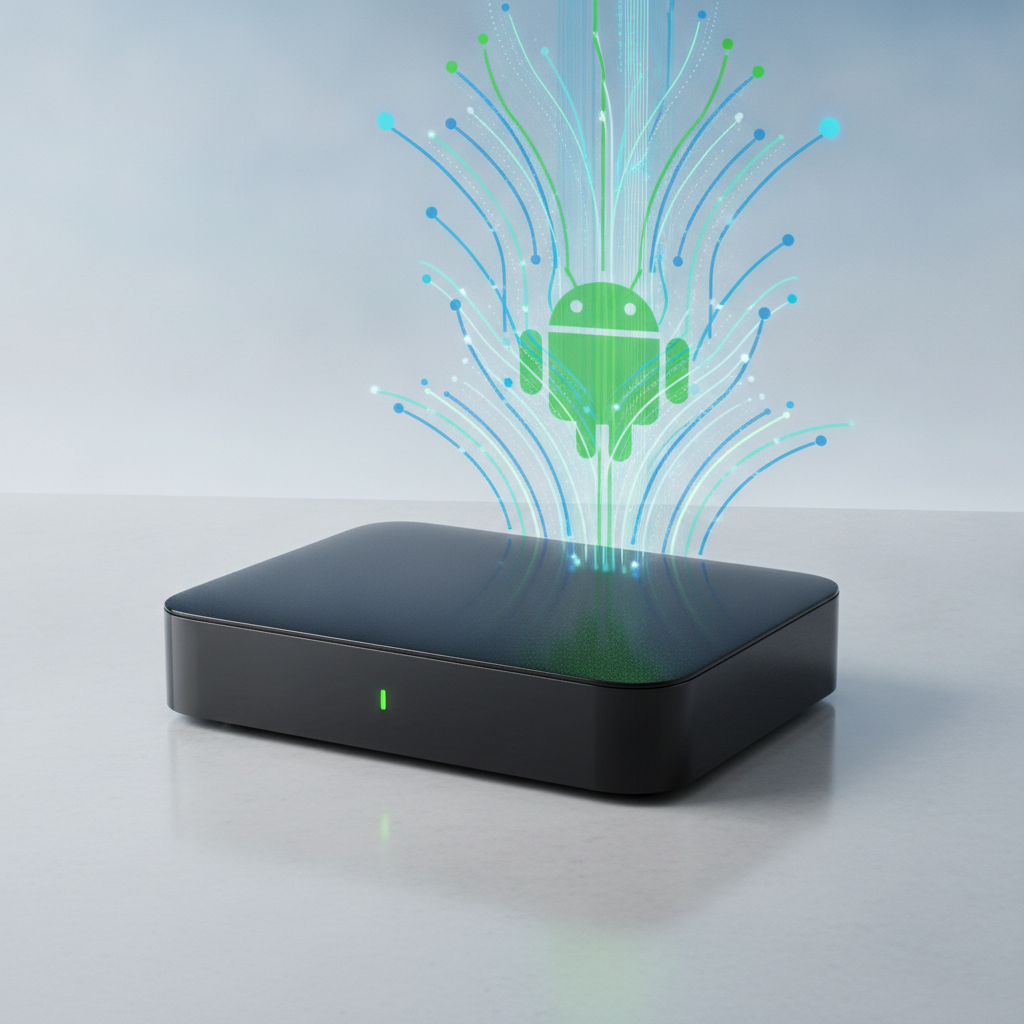
To evaluate whether consumer-grade hardware could support distributed AI execution, Anthropic’s Frontier Red Team linked 15 generic Android TV boxes costing approximately $55 each. The networked cluster successfully ran the 26-billion-parameter Gemma 4 open model, producing an aggregate output of about 0.4 tokens per second. In a separate experiment assessing automated propagation across an isolated test network of eight virtual Android 15 instances, the Chinese open-source model GLM-5.2 successfully copied itself and established running models across all eight machines in four out of five attempts via unauthenticated Android Debug Bridge ports.
While individual stages of replication can already be carried out by smaller models under 30 billion parameters, Anthropic found that models frequently fail when chaining the full attack sequence together without guidance. However, performance improves rapidly when models retain logs across iterations; passing task notes from one generation to the next increased the installation success rate of the 9-billion-parameter Qwen3.5 from 45 percent to between 61 and 84 percent.
Anthropic identified budget TV boxes and smart home gear as prime targets for potential autonomous malware because they remain permanently online and frequently lack system protections or Google Play Protect certification. Past botnets like Kimwolf and BadBox have already compromised millions of uncertified Android media devices through open developer ports. Anthropic stressed that its findings represent a predictive forecast rather than an active threat in the wild, noting that such a worm would operate slowly, requiring roughly one to two days to replicate onto a new host.
Source: Notebookcheck