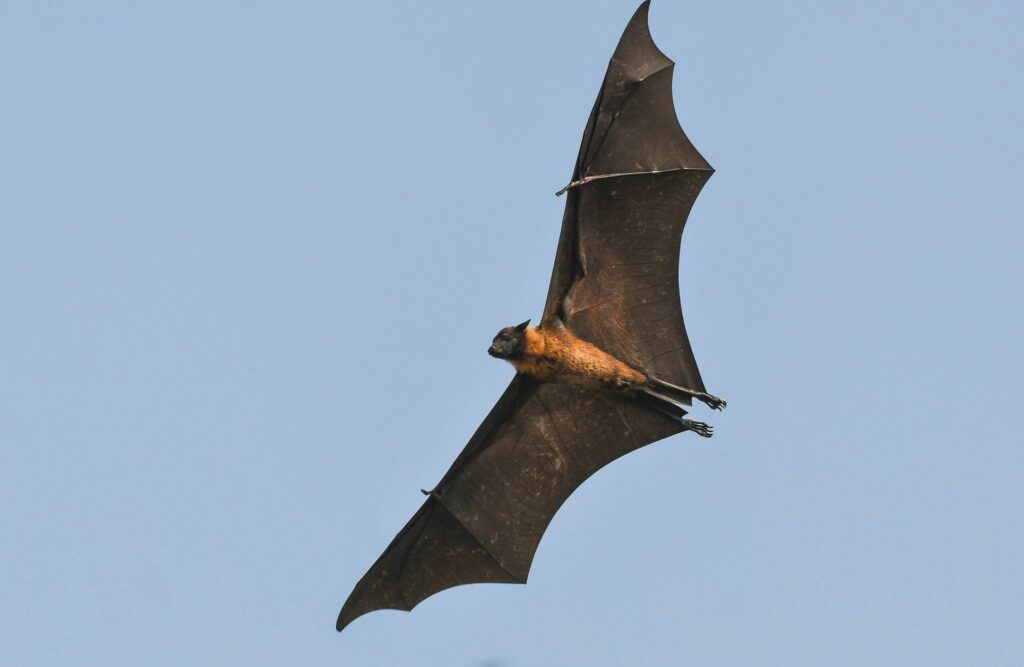
Researchers are calling for greater public appreciation and protection of flying foxes, pushing back against negative perceptions that unfairly brand the native bats as airborne pests.
Despite being disparaged by detractors as the “cane toad of the sky,” scientists emphasize that flying foxes are intelligent, socially sophisticated mammals essential to maintaining native habitats. Acting as keystone pollinators and seed dispersers, the bats travel significant distances each night, facilitating canopy regeneration and cross-pollinating eucalyptus woodlands across the landscape.
Public hostility toward the animals often stems from noise and odor near urban camps, as well as fears over diseases such as Hendra virus and Australian bat lyssavirus. Experts note that transmission risks to the general public remain exceedingly low when individuals avoid handling the animals. Meanwhile, bat populations face mounting survival pressures from clearing, human disturbance, and mass-mortality events triggered by severe heatwaves.
Advocates argue that recognizing flying foxes as gentle and crucial contributors to forest biodiversity is a necessary step toward peaceful coexistence and effective conservation.
Source: phys.org