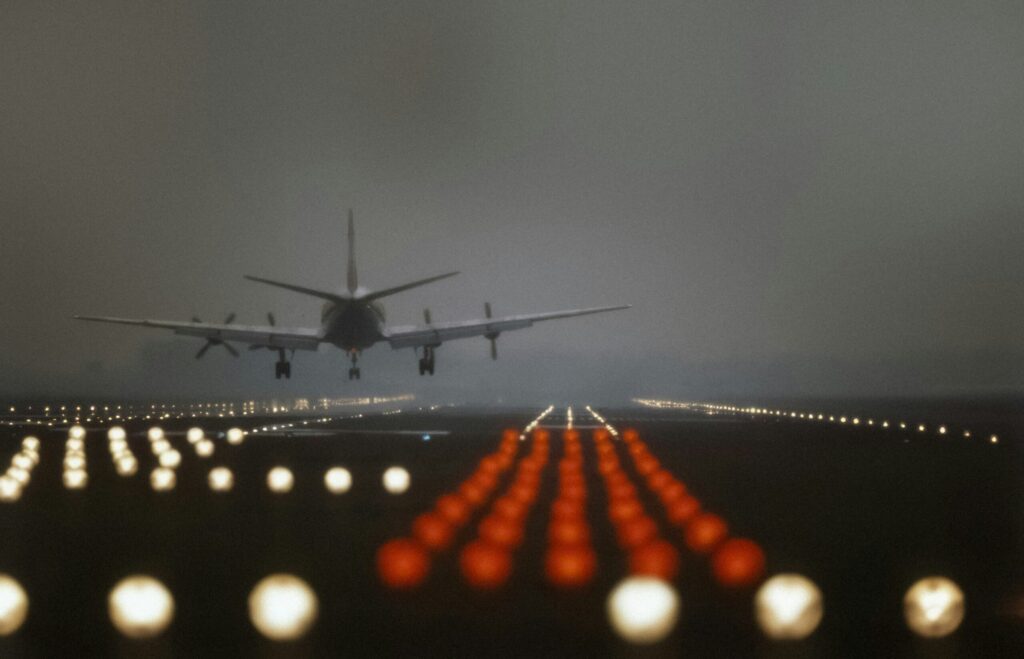
The Federal Aviation Administration has cleared flights to resume following a rare nationwide ground stop that paralyzed American air travel on November 13, with officials attributing the failure to aging air traffic control hardware. The suspension, which took effect in the afternoon and ended at 8:15 p.m. Eastern, stranded millions of travelers, prompted hundreds of flight cancellations, and forced thousands of airborne aircraft to divert.
During a post-incident press briefing, Transportation Secretary Sean Duffy explained that the disruption stemmed from the air traffic network’s reliance on legacy Time-Division Multiplexing (TDM), an older analog telecommunications framework used to relay information between hubs. According to Duffy, routing equipment became overwhelmed by data around 3:36 p.m. and began delivering inconsistent data streams. Regulators ordered the broad flight halt out of caution, though Duffy noted that radar and communication links were not completely severed and that modern, previously updated systems experienced no malfunctions.
The incident represents only the third nationwide ground stop issued by the FAA this century, ranking as the longest domestic flight suspension since the September 11 attacks. Pointing to recurring infrastructure risks, Duffy argued that the network will encounter further failures unless lawmakers allocate an additional $30 billion in upgrade funding to supplement the $12.5 billion Congress has previously committed to modernization efforts.
Department of Homeland Security Secretary Markwayne Mullin also addressed the disruption, confirming investigators have found no signs of a cyberattack, though the agency has not completely eliminated the possibility as inquiries continue. Mullin added that the FAA’s technical breakdown was entirely unrelated to a separate, day-long outage that affected Microsoft cloud services earlier in the week.
Source: engadget.com