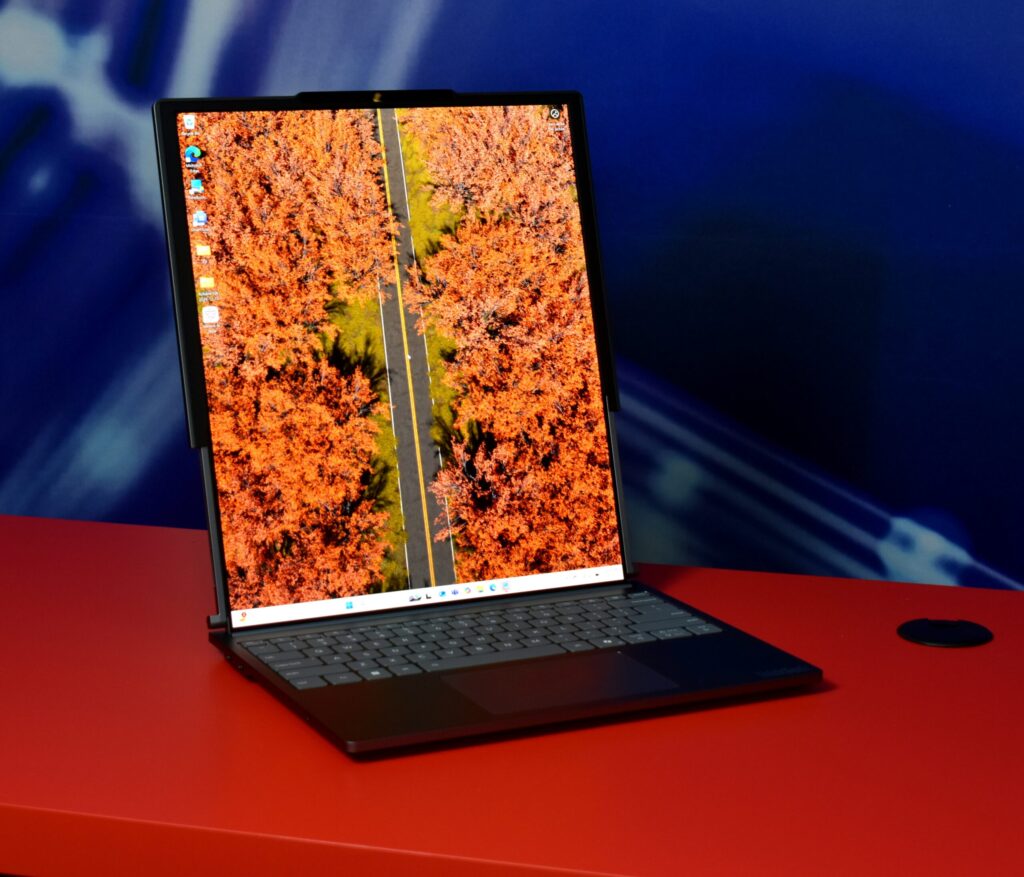
Lenovo’s high-end ThinkPad P1 Gen 9 workstation maxes out with an Nvidia RTX Pro 2000 Blackwell dedicated graphics card, capping its video memory at just 8 GB. The allocation poses a notable limitation for a machine aimed at professional workloads like computer-aided design and running local artificial intelligence, according to testing by Notebookcheck.
The 8 GB ceiling marks a clear retreat from prior entries in the 16-inch laptop lineup. An earlier iteration, the ThinkPad P1 Gen 6, gave buyers access to Nvidia RTX 5000-class graphics featuring 16 GB of VRAM. Lenovo does not offer the P1 Gen 9 with the RTX Pro 3000 Blackwell, a configuration that would have stepped memory capacity up to 12 GB.
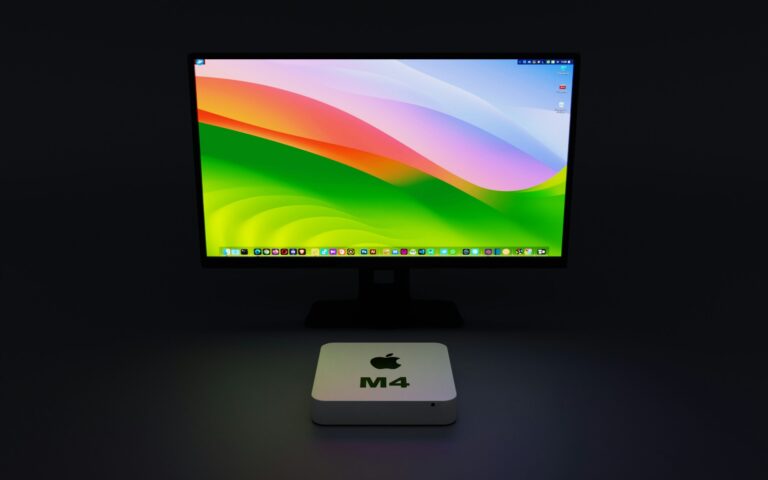
The memory constraint comes as alternative architectures reshape graphics memory access. Architectures utilizing unified system memory, including Apple’s M series and Nvidia’s RTX Spark, allow integrated graphics to tap into significantly larger memory reserves than standard mobile dedicated GPUs provide.
Workstation and consumer laptops with discrete graphics continue to represent a minority of the broader portable computer market. Data from German price-comparison portal Geizhals.de shows dedicated graphics chips present in only 1,739 of 6,718 listed laptops, reflecting how integrated solutions dominate general portable designs despite discrete chips delivering higher graphics compute performance.
Source: Notebookcheck