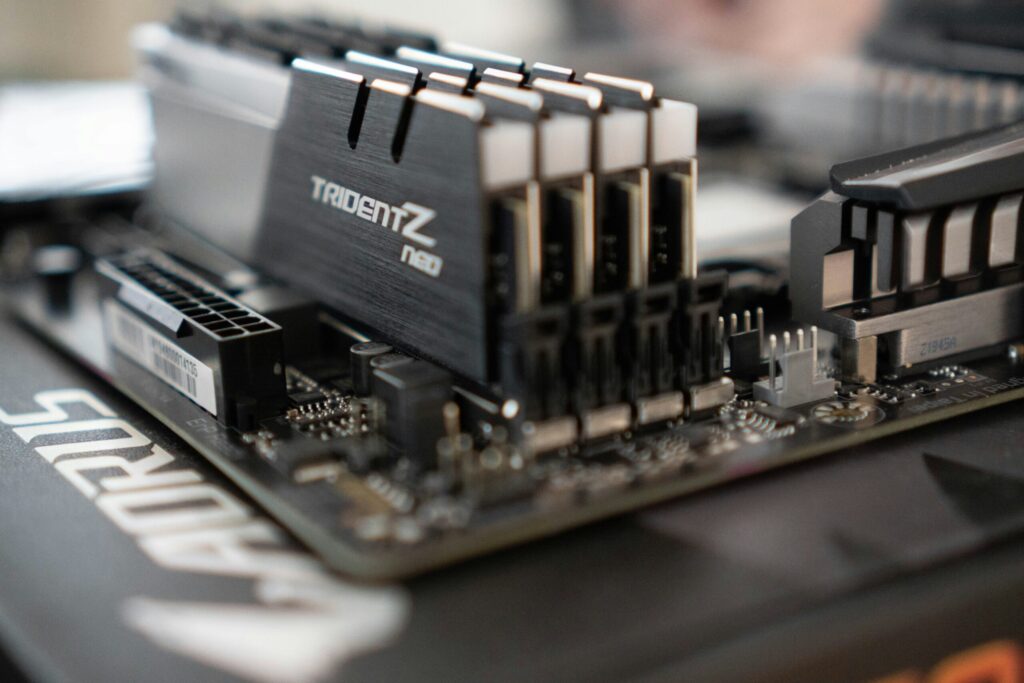
High-capacity system memory configurations have suffered their first recorded annual decline, with 64GB PC builds plummeting 18 percent year-over-year according to recent CPU-Z hardware survey figures. The contraction comes as escalating global DRAM prices, driven by heavy enterprise demand for artificial intelligence hardware, push system builders toward more affordable memory tiers.
The survey indicates that 32GB setups also dropped 2.5 percent, though they still hold the largest individual share of the CPU-Z user base at 37.2 percent. Rather than absorbing higher memory premiums, users are gravitating toward mid-tier and budget options. Configurations with 16GB of memory rebounded by 12.9 percent to claim 33 percent of active installations, while 24GB builds increased 19.7 percent to a 2.3 percent share and entry-level 8GB rigs climbed 5.5 percent to capture 11 percent.
Rising costs across both major standards have also stalled adoption of newer generation hardware, sparking an unexpected resurgence for older DDR4 platforms. DDR4 expanded its presence by 6 percent year-over-year to retain a dominant 54.5 percent share of the active base, whereas DDR5 adoption slipped 2.9 percent down to 32.9 percent.
That shift toward legacy hardware is mirrored in processor metrics, where AMD’s DDR4-compatible Zen 3 family registered major growth. Installs for the Ryzen 5 5500 jumped 67.3 percent, the Ryzen 7 5700X rose 42.8 percent, and the Ryzen 5 5600 climbed 36.1 percent. The sustained demand has prompted component makers to resume DDR4 and motherboard manufacturing, alongside AMD’s re-release of the Ryzen 7 5800X3D and Intel preparing LGA 1700 Raptor Lake Next processors for 2027. The CPU-Z figures track active software installations rather than retail sales volumes.
Source: Tom’s Hardware