The latest generation of electric sport utility vehicles has rewritten long-distance benchmarks, pushing maximum driving range well past 400 miles on flagship models while cementing 300 miles as the new baseline standard across the market.
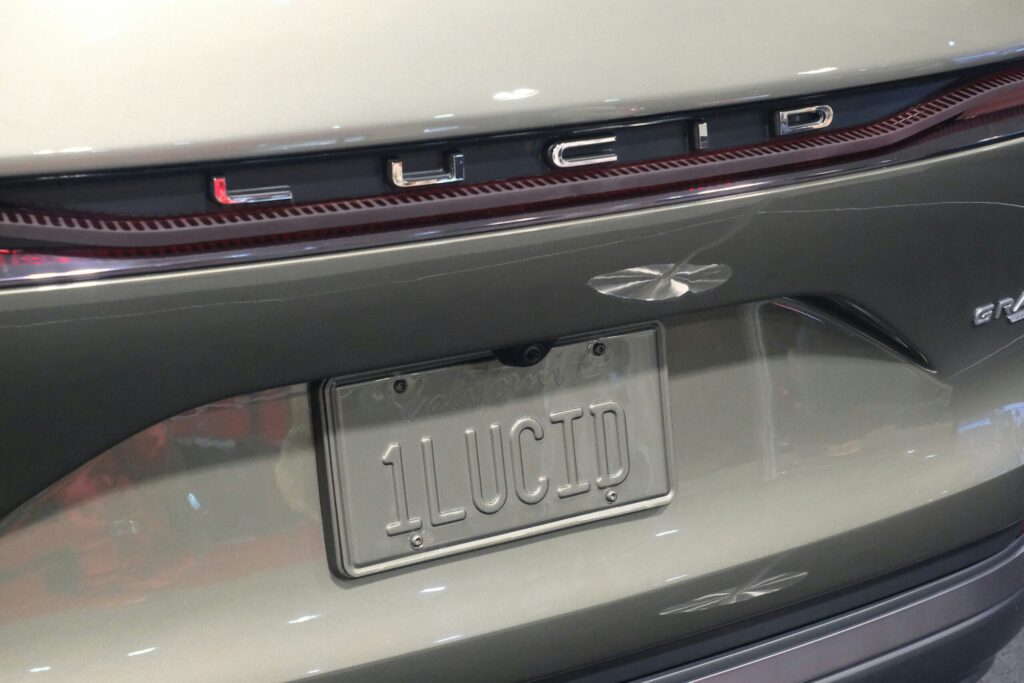
Cadillac’s 9,120-pound Escalade IQ leads sheer distance metrics with a manufacturer-estimated 465-mile range, powered by a massive 205-kWh battery pack that circumvents official EPA testing due to its curb weight. Among EPA-certified passenger models, the $100,750 Lucid Gravity Grand Touring sits at the top, extracting an EPA-estimated 450 miles and 828 horsepower while utilizing a 926-volt system capable of 400-kW charge speeds. BMW’s Neue Klasse-based iX3 50 xDrive follows closely with an EPA-estimated 434-mile range from its 112-kWh pack alongside 400-kW peak charging, while Rivian’s R1S SUV delivers up to 410 miles when upgraded with an optional Long Range pack.
High efficiency has also expanded range among mid-priced entries without requiring oversized commercial batteries. Tesla’s rear-wheel-drive Model Y Premium extracts an EPA-estimated 355 miles out of an 81-kWh battery, starting at $47,630. Hyundai’s three-row Ioniq 9 provides 335 miles from a 110.3-kWh unit, while Porsche’s base rear-drive Macan Electric turns in an EPA-certified 332 miles with 800-volt high-speed charging support.
Affordability barriers around the 300-mile figure have simultaneously dropped. Chevrolet’s Equinox EV leads budget offerings with an EPA-rated 319-mile range starting at $36,795, tying the 319-mile figure of Kia’s $42,745 EV6 Light Long Range. Ford has likewise adjusted the Mustang Mach-E lineup by standardizing an 88-kWh usable pack across core trims, delivering up to 320 miles of EPA-estimated travel.
Source: jalopnik.com