
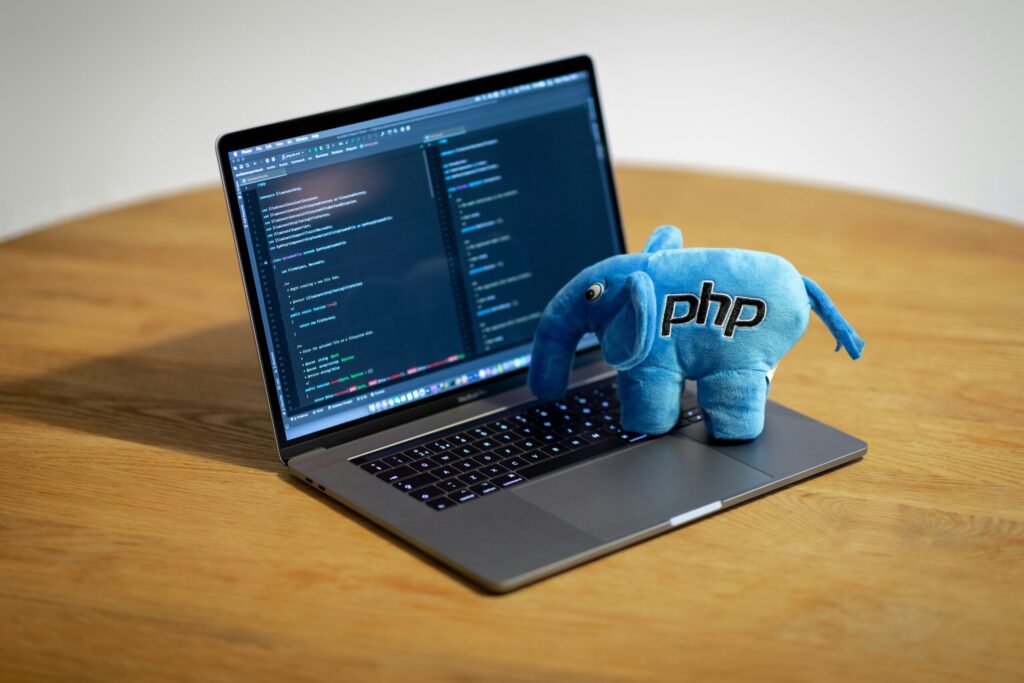
Organizations worldwide spent the week scrambling to update their web infrastructure after developers released emergency fixes for a pair of critical vulnerabilities in PHP that let attackers hijack internet-facing servers without credentials.
Designated CVE-2026-109618 and CVE-2026-109619 and collectively dubbed PHP2Shell, the flaws enable unauthenticated remote code execution. Because PHP powers an estimated 70 percent of web-facing infrastructure—underpinning platforms such as WordPress, Drupal, and MediaWiki—the risk prompted banks, retailers, healthcare networks, and government agencies to temporarily pull services offline to apply patches.
The vulnerabilities were originally uncovered during a 2024 audit but were left unpatched after being deemed unexploitable at the time. Researchers at cybersecurity firm Calif recently found a functional exploitation path while participating in a joint initiative with Wiz and OpenAI. The PHP Foundation subsequently developed fixes under a confidential embargo, giving major hosting providers and internet platforms advance notice before issuing public updates on Wednesday.
Despite coordinated disclosure efforts, threat actors managed to leverage the flaw early. Amazon reported detecting PHP2Shell exploitation in the wild as early as October 17, approximately a week before the public release. Following the patch rollout, Cloudflare chief executive Matthew Prince noted an exponential spike in attack attempts, while security firms Palo Alto Networks and Trail of Bits confirmed post-exploitation activity against target systems.
Beyond traditional web hosting, PHP components run inside routers, enterprise firewalls, virtual private networks, and command-line developer utilities. Security analysts warn that while large platforms moved quickly, unpatched systems—particularly legacy deployments that lack automated update mechanisms—will likely remain targets for exploitation for years to come.
Source: TechCrunch