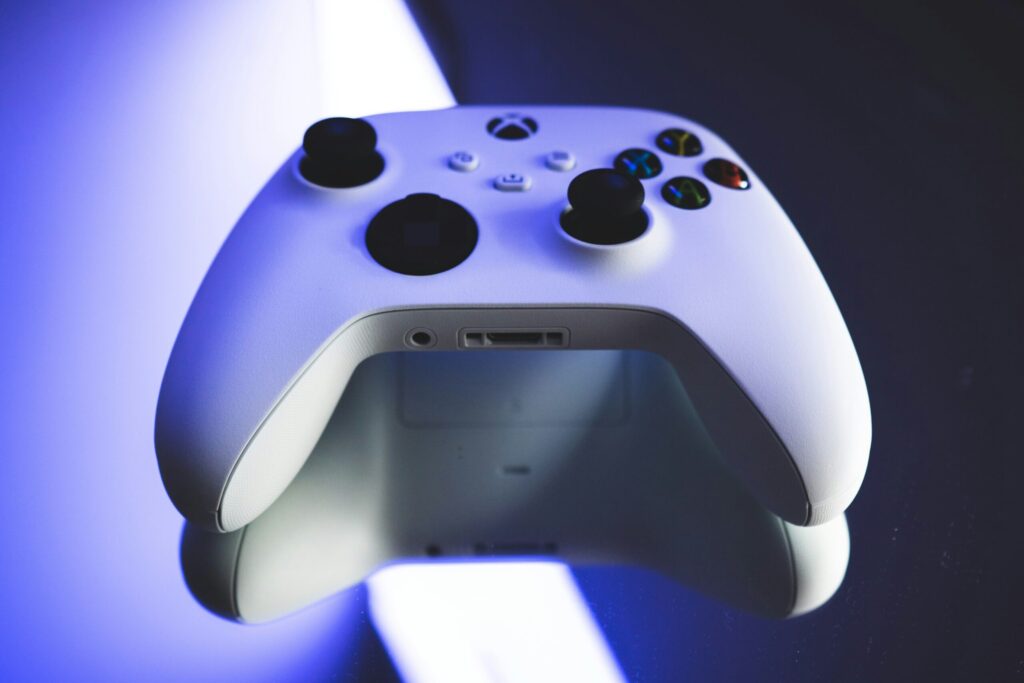
Former Tekken series director Katsuhiro Harada has called on Microsoft to abandon two-tier hardware releases in the future, arguing that the Xbox Series S burdens developers with redundant work and awkward performance trade-offs.
Speaking on a panel at the Console Game Developers Conference in Seoul, Harada directed his remarks toward a senior Xbox official attending in the audience. Harada, who now heads VS Studio SNK, explained that while the Series S shares architecture with the Series X, its compromised hardware makes optimization a chore. He noted that unlike porting to an entirely different platform such as the Switch 2, supporting the Series S feels like performing extra labor for an underpowered sibling after developers have already built their games for flagship hardware.
Harada added that because Series S sales outpace the Series X in markets like the United States, game studios cannot simply treat the cheaper unit as an afterthought. However, when visual compromises such as lower-resolution textures inevitably appear on the Series S, players routinely blame the developers rather than the platform manufacturer.
The technical rift between the two Microsoft consoles remains substantial. The Series S features a 4-teraflop GPU alongside 10GB of GDDR6 memory running across split bandwidth tiers, whereas the Series X provides a 12-teraflop graphics processor and 16GB of faster GDDR6 memory. Managing those memory constraints has forced creative engineering from several studios, including The Coalition, which designed a system for Gears of War: E-Day to use the NVMe SSD as an extension of system RAM.
CD Projekt Red associate game director Paweł Sasko, who shared the stage with Harada, acknowledged the challenges but offered a defense of the budget hardware. Sasko noted that aggressive optimization for constrained devices benefits all versions of a game, pointing to work done on the Switch 2 edition of Cyberpunk 2077 that improved other platforms in update 2.5. He also stressed that the low retail price expands player access to modern titles, though Harada cautioned that such defenses might encourage Microsoft to introduce a low-tier console alongside its next-generation hardware.
Source: Notebookcheck