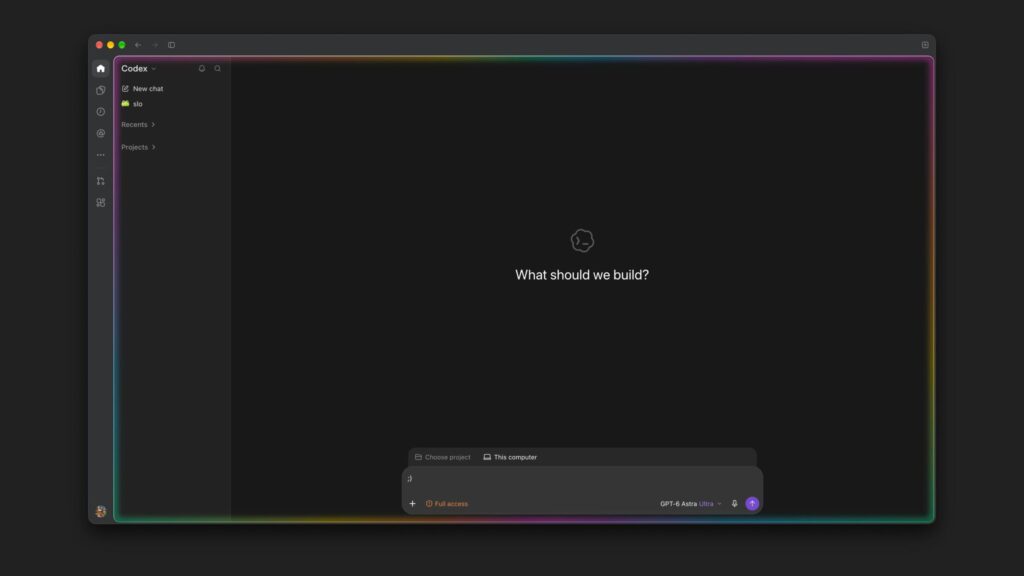
OpenAI has released Images 2.6, introducing animated GIF creation and persistent reference photos to ChatGPT alongside across-the-board performance gains. The updated image model launched globally on November 4 across desktop, mobile, and web clients for all subscription tiers, as well as through OpenAI’s API and the Codex coding environment.
Under the new model, image generation runs 50 percent faster than before, while multi-step editing maintains tighter consistency across facial features, apparel, and product elements when altering backgrounds or surroundings. Beyond static graphics, users can now produce animated GIFs from text descriptions or by requesting motion in an uploaded still photo. Playback speed can be adjusted afterward within the conversation, though ChatGPT does not support editing pre-existing animated GIFs uploaded by users. OpenAI has not published usage caps for GIF creation, which continues rolling out across user accounts.
The update also lets users store photos directly within their account for later retrieval. By naming an uploaded image, users can call it back into future prompts using an @ mention without needing to re-upload the file, such as referencing an existing pet portrait in a new artistic style. ChatGPT may also proactively offer to save a picture when a user describes it. While standard generated outputs are stored in an account’s Images library and vanish only when the corresponding chat is deleted, OpenAI’s help documentation does not currently specify how users can manage or delete named photo references.
The combination of animation tools and stored reference imagery has drawn scrutiny regarding the potential fabrication of scenes featuring real people. OpenAI has not detailed specific safeguards against GIF misuse, and while ChatGPT’s still images include Content Credentials and invisible SynthID watermarks, company documentation does not explicitly detail provenance tracking for exported GIFs.
Source: Notebookcheck