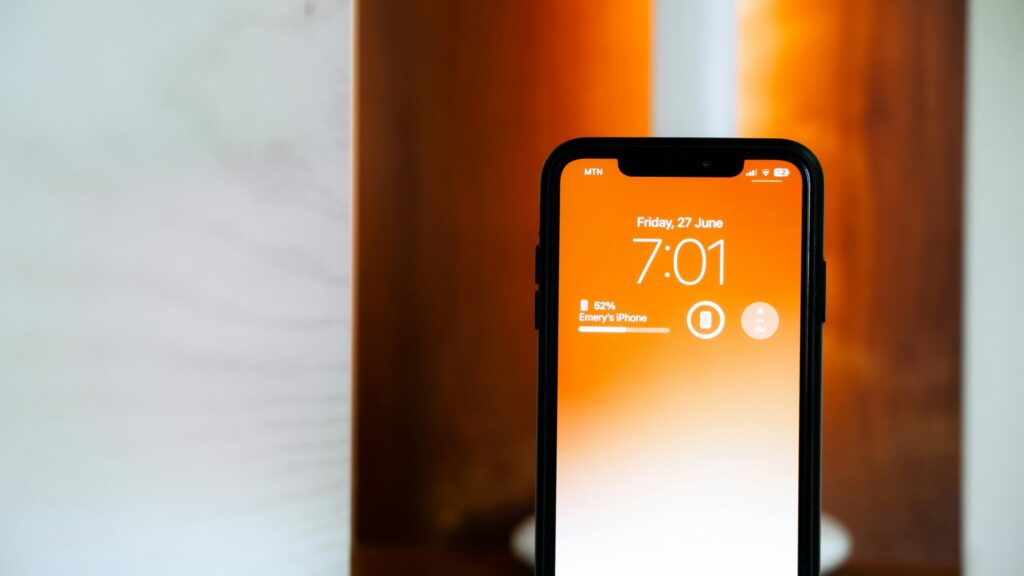
Smartphone displays frequently dim unexpectedly even when auto-brightness toggles are turned off, a behavior primarily triggered by thermal safeguards, active power-saving profiles, or misfiring onboard sensors.
Device overheating serves as one of the most common catalysts for sudden display dimming. Because touchscreens consume substantial energy, modern phones automatically scale back display luminance to shed heat and maintain stable internal temperatures. This throttling often occurs during demanding workloads such as wireless charging, software updates, camera recording, mobile gaming, or high-definition streaming. Cooling the device down, shutting down resource-heavy applications, and temporarily removing protective cases allows the hardware to stabilize and return to normal brightness levels.
Integrated power settings and sensor systems also dictate panel illumination. Low battery settings and short screen timeouts force displays to dim quickly to conserve power. On iPhones, Apple’s Attention Aware Features lower screen brightness when the user looks away from the device, while dirty bezels or poorly fitted screen protectors can accidentally activate proximity sensors. Modern Pro-tier iPhones also incorporate Always-On displays that stay visibly dimmed on the lock screen, shutting off entirely during CarPlay usage, Sleep Focus, Low Power Mode, or when moved away from a paired Apple Watch.
Android handsets exhibit similar software triggers through manufacturer-specific settings. Samsung Galaxy devices feature a camera-based option to keep the display illuminated while being viewed, alongside power-saving modes that reduce screen brightness by 10 percent and limit processor speeds to 70 percent. Google Pixel devices offer an “Extra dim” accessibility setting designed to force brightness below regular baseline limits. If displays continue to dim alongside symptoms like flickering, ghosting, shadowy spots, or startup blackouts, the issue typically stems from physical OLED or AMOLED panel damage requiring hardware replacement.
Source: engadget.com