Volvo Cars is struggling to maintain profitability in the United States, with executive leadership reporting that American consumer sentiment has plummeted to a 50-year low amid mounting trade barriers and weakening electric vehicle demand.
The Swedish automaker posted a global third-quarter net loss of roughly $482 million alongside an operating loss of $378 million. In the U.S., deliveries dropped 8.7% year over year to 23,766 vehicles, weighed down by heightened SUV competition, softer electrified vehicle demand, and broader market contractions in China. Financial results were further dented by a $112 million negative adjustment in CAFE credits caused by U.S. regulatory shifts, coupled with $92 million tied to losses at sister brand Polestar.
Chief Commercial Officer Erik Severinson highlighted during the company’s recent earnings call that the U.S. has become a exceptionally challenging market in which to turn a profit. Chief Executive Officer Hakan Samuelsson acknowledged that Volvo underestimated how tariffs would affect operations, noting the company must increase U.S. localization to mitigate import penalties placed on Chinese-made electric models. The brand also contends with the loss of federal EV tax credits and an upcoming prohibition that will bar Polestar from selling vehicles in the country.
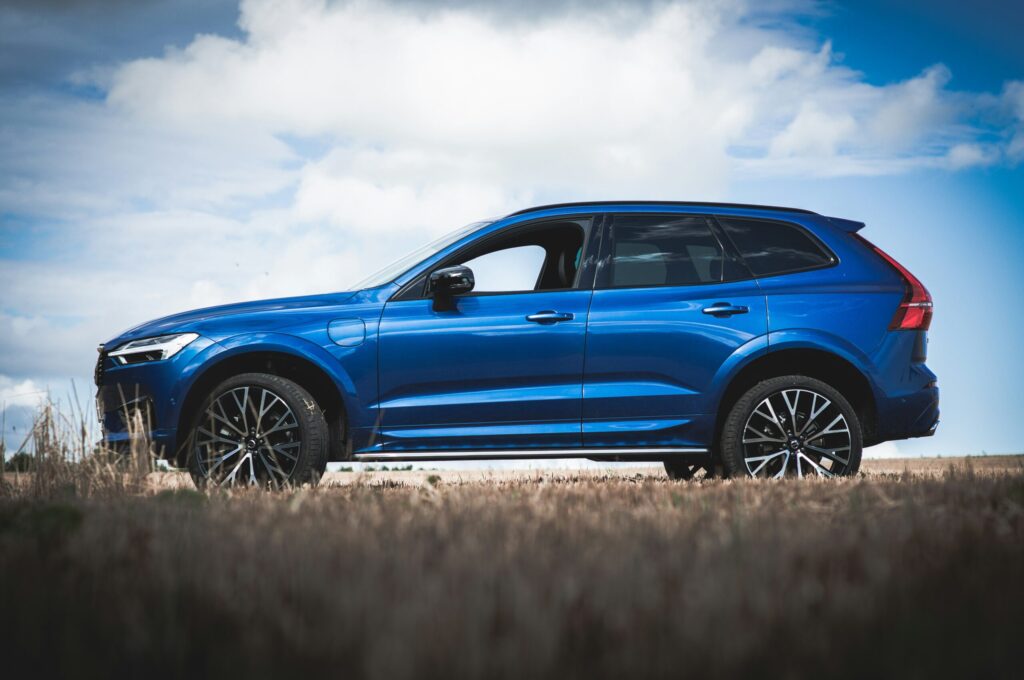
To offset these pressures, Volvo is shifting resources toward its Ridgeville assembly plant near Charleston, South Carolina, which is operating at only 20% of its 150,000-unit annual capacity. The plant currently builds the EX90 and Polestar 3—though production of the latter will halt after the 2026 model year—and will soon integrate assembly of the XC60 SUV along with a next-generation hybrid before the decade ends.
Product adjustments are also underway across the lineup. While Volvo plans to drop its entry-level EX30 and EX40 models in the U.S. after the 2026 model year, it is accelerating the rollout of extended-range plug-in hybrid variants of the XC60 and XC90, while promising an under-$40,000 global electric model for the American market in 2027.
Source: Autoblog