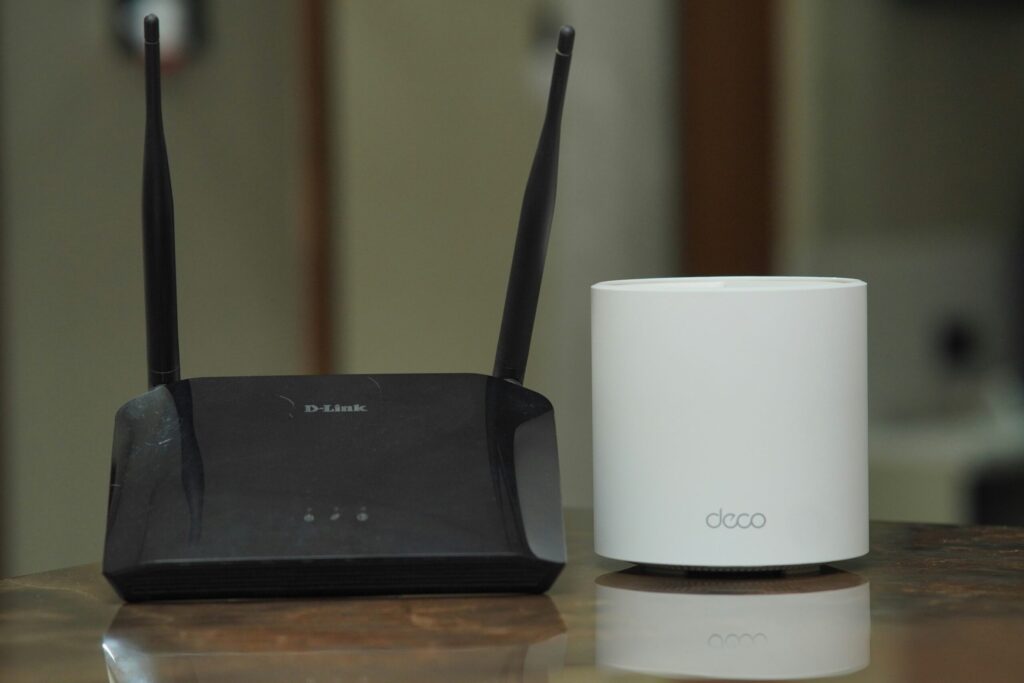
Connecting mesh Wi-Fi nodes using wired Ethernet cables instead of relying on default wireless links can significantly boost network speed and eliminate major bandwidth bottlenecks throughout a home.
Every mesh networking setup depends on a backhaul connection to shuffle data between individual router units. By default, these systems establish a wireless backhaul. However, wireless transmissions lose bitrates over distance, meaning the gap between nodes can slash speeds by hundreds of megabits per second. Connecting devices are restricted by the performance of the node they attach to, and cheaper dual-band mesh systems share the same wireless frequency between device traffic and node-to-node communication, degrading throughput for both.
Routing a physical Ethernet connection between mesh units solves these degradation issues. Using Cat 6 cabling generally provides at least 1 Gbps of bandwidth across typical household distances without significant speed loss, bypassing the constraints of dual-band hardware. While a pair of 50-foot Cat 6 cables typically costs around $30, managing and concealing long wire runs across rooms or multi-story houses represents the primary challenge for homeowners.
Hardware compatibility is another consideration when deploying a wired backhaul. Each mesh unit requires an available, sufficiently fast Ethernet port. While 1 Gbps ports are common, they can become a limiting factor on newer Wi-Fi 7 systems capable of multi-gigabit wireless performance, where 2.5 Gbps or 10 Gbps ports are preferable. Users with multiple wired accessories like smart home hubs or laptops may also need to purchase an additional network switch if their nodes lack spare ports.
Source: engadget.com