While color-changing smart bulbs offer a fast route into home automation, smart light switches deliver a far more dependable setup for shared households by eliminating the common problem of severed connections.
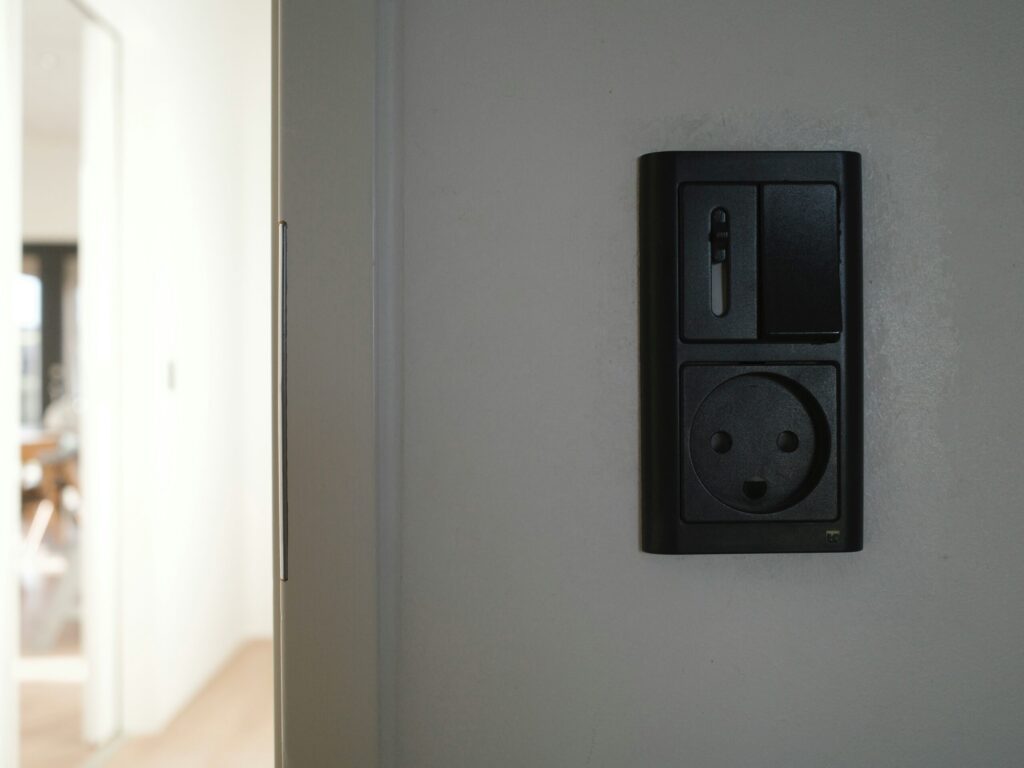
Because connected bulbs require continuous power to communicate over Wi-Fi, turning off a traditional wall switch disconnects the bulb entirely. This breaks automated routines and disables voice controls until physical power is restored. Additionally, many smart bulbs default to maximum brightness following an electrical outage. Smart switches avoid these issues by replacing the wall unit itself, remaining wired directly into household circuits so that family members and guests can operate the lights manually without needing a smartphone app or smart speaker.
Cost and maintenance also swing heavily toward wall switches in multi-bulb fixtures. Installing smart illumination in a six-socket chandelier requires buying, configuring, and eventually replacing six separate smart bulbs that range from $5 to $50 each. In contrast, a single smart switch—available in multipacks for as little as $11 per unit—can control the entire fixture at once, provided the home’s electrical setup includes a neutral wire where required.
While smart bulbs remain practical for renters and freestanding lamps where wiring modifications are out of the question, smart switches are better suited for overhead fixtures and high-traffic communal spaces like kitchens and living rooms. Certain smart switches can also be rated to manage ceiling fans and other wired loads, though smart dimmer switches should not be paired with smart bulbs on the same circuit.
Source: Engadget